In this quiet corner of the fifteenth century, we encounter the Portrait of a Lady, painted around 1460 by the Flemish master Rogier van der Weyden. It is a moment frozen in time, capturing a young woman of nobility with remarkable clarity and grace. She stands in a three-quarter view, her eyes cast downward in a gesture of humble contemplation. Her hands are tightly clasped at the bottom of the frame, their slender fingers resting against a dark ledge. The stark contrast between her pale, luminous skin and the deep, midnight-blue background creates a striking silhouette. Her high forehead, framed by a sheer, translucent veil, leads the eye toward the delicate geometric lines of her headdress. Van der Weyden’s mastery lies in his precision. Notice the soft glow of the light as it hits her porcelain skin, highlighting the gentle texture of the fine linen over her shoulders. The rich, dark fabric of her dress is pinned with a small gold buckle, adding a single touch of warmth to the cool, muted tones of the composition. Every line is intentional, from the arch of her brows to the subtle curve of her lips, creating an atmosphere of intense inner stillness. Beyond a simple likeness, this work captures an ideal of elegance and piety. It transforms a private moment of devotion into a timeless study of human dignity. Through this painting, we are invited to look past the surface and feel the enduring weight of a silent, spiritual grace.
30% OFF ART & FRAMES + FREE SHIPPING WORLDWIDE
×
- Artists
- Wassily Kandinsky
- Joaquin Miro
- Kazimir Severinovich Malevich
- Piet Mondrian
- Fernand Leger
- Vincent Van Gogh
- August Macke
- Claude Oscar Monet
- Franz Marc
- Henri Matisse
- Juan Gris
- Kasimir Sevrinovitch Malevich
- Paul Gauguin
- Albert Bierstadt
- Arvid Fougstedt
- Egon Schiele
- Fernando Botero
- Hans Anderson Brendekilde
- Hugo Simberg
- Jean-Baptiste-Simeon Chardin
- Leo Gestel
- Paul Cezanne
- Paul Signac
- Piet Cornelis Mondrian
- Tadeusz Makowski
- Umberto Boccioni
- William Mason Brown
- Yves Tanguy
- Art Styles
- Abstract Expressionism
- Academic Classicism
- Art Deco
- Art Nouveau
- Ashcan School
- Baroque
- Byzantine
- Constructivism
- Cubism
- Expressionism
- Futurism
- Group of Seven
- Hudson River School
- Impressionism
- Mannerism
- Modernism
- Nabis
- Naturalism
- Neo-Classical
- Neo-Expressionism
- Orientalism
- Pointillism
- Post-Impressionism
- Pre-Raphaelites
- Realism
- Renaissance - Early
- Renaissance - High
- Renaissance - Northern
- Rococo
- Romanticism
- Symbolism
- Subjects
- Art by Room
- Custom Art
- Best Selling Art
- Showcase
- Account
- Help
Silent Grace and Spiritual Elegance in Portrait of a Lady
Art Insights by Nice Art Gallery
Explore More Analyses
01:48
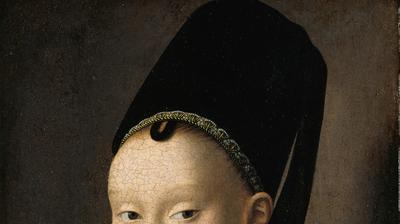
The Luminous Presence and Psychological Depth of Portrait of a Young Girl
01:40
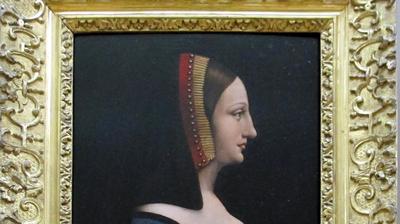
The Psychological Depth and Enigmatic Presence of La Belle Ferronnière
01:44
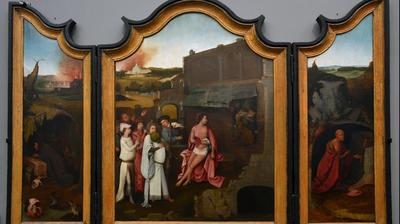
Hieronymus Bosch’s The Temptation of Saint Anthony: A Vision of Spiritual Resilience
01:40
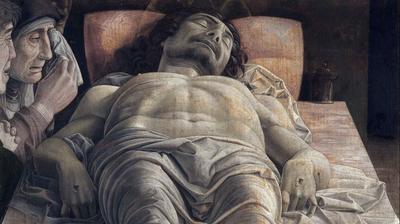
The Human Weight of Mortality in Mantegna’s Lamentation of Christ
01:45
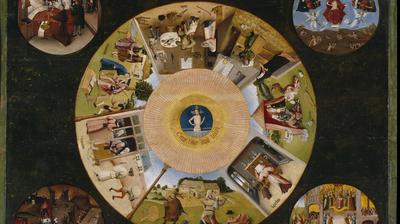
The Moral Circle of Hieronymus Bosch: The Seven Deadly Sins
01:37
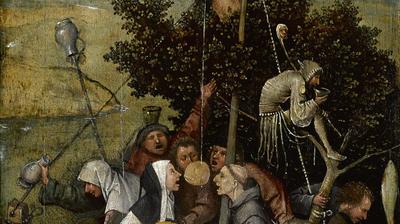
The Eternal Drift of Human Frailty in Bosch's Ship of Fools
01:40
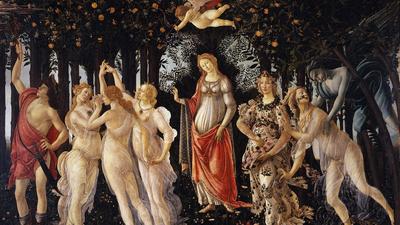
The Lyrical Bloom and Eternal Grace of Sandro Botticelli’s Primavera
01:29
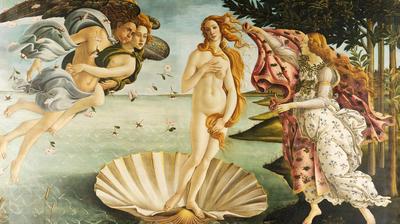
The Birth of Venus: A Renaissance Masterpiece of Idealized Grace and Harmony
Subscribe to Our Newsletter
Get exclusive offers, new arrivals, and art inspiration delivered to your inbox